

Useful Cycling Links
- Share The Road Essex County
- Cycling Skills — Ministry of Transportation
- Greenway Etiquette Guide
- Bikepacking Ontario
- Ontario By Bike
- The Windsor Loop
Local Cycling Organizations
Other Resources and Musings
- Cycling’s impact on the body – Evidence-based benefits for health
- How Age Affects Cycling (And What You Can Actually Do About It) – Regular cycling helps preserve fitness, and many age-related declines are not inevitable
That feeling of finishing an all-day bike ride.
Whether it’s your first century, metric century or a personal epic through the mountains, that mix of exhaustion and pure achievement is what cyclists live for.
But let’s be honest, the longer the ride, the more things can go wrong.
Success isn’t just about having strong legs; it’s about smart preparation. With the right strategy, you can turn a day of potential suffering into an unforgettable adventure.
It All Starts Before The Ride: Training
You don’t just wake up one day and decide to ride 160km (100 miles) or beyond. Proper training begins weeks, or even months, before you clip in for the main event.
Build, Don’t Break
The golden rule of endurance cycling is to build your distance gradually.
A sudden jump in distance is a fast track to injury or burnout. A great way to do this is by adding about 10% to your longest weekend ride each week. This slow and steady increase builds both your aerobic capacity and your leg strength without overwhelming your body.
Get Specific With Your Goals
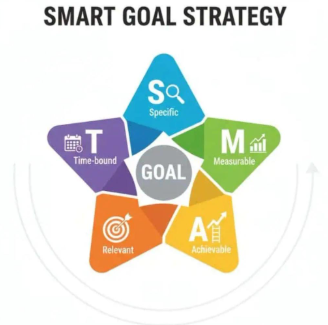
Winging it is not a plan. It is recommended to use the SMART goal strategy to keep you motivated and on track. That means making your goals Specific, Measurable, Achievable, Realistic, and Time-bound.
For example, instead of saying “I want to ride longer,” set a goal like: “I will complete a 80 km ride in eight weeks by increasing my weekend ride distance by five kilometres each week.”
Conquer The Climbs And The Core
Unless you live somewhere completely flat,(like Essex County)you’re going to face some hills. Don’t avoid them in your training. Incorporating hill sessions is essential for building the strength you’ll need on event day.
***And don’t forget your work off the bike. One or two strength and conditioning sessions a week can make a huge difference. Focus on core work to improve your stability and balance in the saddle, which helps reduce fatigue over long hours.
Fueling The Engine: Your Nutrition Strategy
Proper fuelling is one of the easiest wins in long-distance cycling. Get it right, and you’ll feel fantastic. Get it wrong, and you’ll meet the dreaded “bonk.”
The Pre-Ride Power-Up
Your nutrition plan starts the night before. Have a solid, carb-heavy meal like pasta or rice to top off your glycogen stores. Just don’t stuff yourself to the point of feeling bloated.
The morning of the ride go for a hearty breakfast that’s high in low-GI carbs and low in fat. Porridge or overnight oats are perfect choices. Fatty foods can slow down carb absorption, which is the last thing you want.
The 20-Minute Rule
Here’s a crucial guideline for the ride itself: if you start to feel hungry, it’s already too late. You need to be proactive with your fueling from the very first hour.
Aim to consume some carbohydrates every 20 to 30 minutes. Your body can typically process around 30 to 60 grams of carbs per hour. For rides over 2.5 hours, you might be able to absorb up to 90 grams per hour if you use products with a mix of glucose and fructose.
Real Food Vs. Quick Fuel
A mix of real food and energy products works best for most people.
- Real Food: Pack things like flapjacks, small sandwiches, rice cakes, or bananas. They are great for the earlier parts of the ride.
- Energy Products: Gels and chews are perfect for a quick, easily digestible energy boost when you’re feeling tired or tackling a big climb. Note: if using gels be sure to rinse your mouth thoroughly with water…gels are a great source of tooth decay!
Always pack more food than you think you’ll need. It’s your insurance policy against the unexpected.
Hydration Is Non-Negotiable
Always start a long ride with two full water bottles. Just like with food, you need to drink before you feel thirsty.
At a good pace, you should aim to drink between 400ml and 800ml of fluid per hour, depending on the heat. When it’s hot, make sure at least one of your bottles contains an electrolyte mix to replace the essential minerals you lose through sweat.
Your Gear Is Your Best Friend
Over a long day, small discomforts can become major problems. Your bike and kit need to be dialed in perfectly.
Dial In Your Comfort
Comfort is speed, especially over many hours. A professional bike fit is one of the best investments you can make to prevent issues like knee strain or a stiff back.
Equally important is what you wear. A quality pair of padded bib shorts is not a luxury; it’s an absolute necessity. Using chamois cream is also a pro move to prevent saddle sores.
The Night-Before Ritual
Give your bike a once-over the night before your ride to avoid mechanical surprises. Check your tires for any embedded glass or flint that could cause a puncture. Make sure your drivetrain is clean and freshly lubricated for smooth, efficient shifting.
The Non-Negotiables: What To Pack
For a single-day ride, here are the essentials you should carry:
- Two spare inner tubes
- Tire levers
- A reliable pump or CO2 inflator
- A multi-tool with a chain breaker
- Emergency cash and a credit card
- Your phone (fully charged)
- All your planned nutrition, plus that extra “insurance” snack
A small top tube bag is great for keeping snacks, gels, and sunscreen within easy reach.
The Mental Game: Pacing And Toughness
An all-day ride is as much a mental challenge as it is a physical one.
Pace Yourself, Don’t Race Yourself
Going out too hard is the number one mistake riders make. Start the ride at an endurance pace, also known as Zone 2.
This is a level where you can comfortably hold a conversation. You’re conserving precious energy so you don’t burn all your matches in the first two hours.
Pedal Smarter, Not Harder
Try to maintain a higher, steady cadence in a slightly lower gear.
Spinning your legs reduces the load on your muscles, which helps prevent soreness and cramping later in the ride.
Break It Down
Staring at a 160km or more goal can be intimidating. Break the ride down into three or four manageable sections.
Focus only on getting to the next checkpoint, whether it’s a planned cafe stop or the top of the next big climb. Ticking off these smaller goals provides a huge mental boost.
Stay Loose In The Saddle
Your body takes a beating over a long day. Remember to change your hand positions on the bars frequently.
Periodically shrug your shoulders or roll your neck to release tension. Stand up on the pedals for 15 to 20 seconds every now and then to give your rear end a much-needed break.
Crossing The Finish Line
With the right training, fueling, and mental approach, you can take on distances you never thought possible. The sense of achievement waiting for you at the end is more than worth the effort.
And one last tip: don’t neglect your recovery food after the ride. Try to get some protein and carbohydrates into your system within 30 minutes of finishing. Your body will thank you for it the next day. Chocolate milk can be good for this.
Now go out there and have an epic ride!
Cycling Mistakes After a Long Ride
After 14 years of riding in excess of 16,000km annually and now randonneur riding, I’ve learned a few things NOT to do after the ride ends:
- Forget to eat properly! You rode for hours burning thousands of calories, then think you can survive on “just a snack”. This is the time for a little protein but lots of carbs…and before before the beer!…not a time to be dieting!
- Sit down and don’t stand up again! You tell yourself “I’ll stretch in a couple minutes”…3 hours later you are still on the couch and legs feel like cement! Stretch!!
- And walk some to loosen the tight hips and wobbly legs…some stairs help here!
- Overestimate Recovery…”yeah I’m good for another ride tomorrow”…DOMS (delayed onset muscle soreness) can hit hard the next day, following #1,2,3 above helps!
- Scrolling through cycling reels instead of recovering by stretching, eating , hydrating
Cycling is a beautiful thing, painful and a little crazy, it’s why we love it.
Which of the above do you do after rides?
The Road Gives You More Than You Expect
From the outside, cycling looks like effort.
But there’s a moment on every ride
when the world gets quiet.
No traffic noise.
No thoughts racing.
Just the rhythm of your breath… and the road beneath you.
You start noticing things you used to miss.
The way sunlight filters through trees.
The scent of the earth after rain.
The endless sky stretching above you.
You came to ride your bike
but somehow… you leave lighter than you arrived.
Not because the ride got easier
but because something inside you softened.
And that’s when you realize something.
Some rides change your legs.
Others change how you feel about the world.
Cycling doesn’t just move your body forward.
It reconnects you
to something bigger than yourself.
The road asks a lot from you.
But somehow… it gives back even more.
A kind of clarity you didn’t have before.
A calm you can’t force.
Perspective you only find out there.
That’s what makes cyclists different.
We don’t just ride through the world… we feel it.
The road gives so much to us.
Maybe this time of year is a reminder…
to protect the roads, the air, the quiet that gives you this feeling back.
Ride with awareness. Carry that connection into every mile.
That’s what it means to be a cyclist.
The road gives something back.
You just have to be there to feel it.
Every mile matters. And we’re with you on all of them.
Linda
Global Cycling Gear
The difference isn’t strength. It’s what you don’t notice
Ever finish a ride feeling more tired than you expected?
Not slower.
Not weaker.
Just… more drained.
Chances are, it’s not your fitness.
It’s the small habits working against you.
Small mistakes. Big cost.
Here are 3 fixes that can change how every ride feels:
Grip too tight? Loosen up.
Most riders don’t lose energy on climbs. They lose it in their hands. Relax your grip and free up your upper body.
Waiting until you’re thirsty? You’re late.
By the time you feel thirsty, your performance is already dropping.
Sip every 10–15 minutes to stay ahead.
Grinding heavy gears? Shift sooner.
It feels powerful. But it burns you out faster than you think. Smooth cadence protects your knees and keeps your energy steady mile after mile.
And once you notice them, you can’t unsee them.
These aren’t dramatic changes.
But they’re the kind that separate riders who struggle…
from riders who flow.
The best rides don’t always come from stronger legs.
They come from smarter habits.
And most riders never fix them.
Smart riders do.

Our Lead Sponsors


Supporting Sponsors


